Birla Carbon expands Southeast Asian production capacity with new 120,000-ton plant

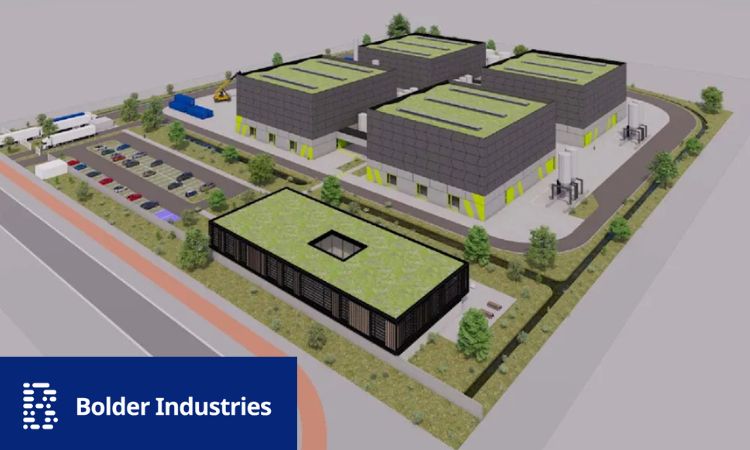
Thailand is becoming an increasingly important manufacturing base for Birla Carbon following the inauguration of its new carbon black production facility in Rayong on November 18, 2026. With an installed annual capacity of 120,000 metric tons, the plant brings the company's combined Thai production capacity to 395,000 metric tons, including its existing Angthong facility. Designed to serve tire manufacturers, mechanical rubber goods producers and specialty materials customers, the Rayong plant also incorporates energy recovery and emissions control technologies. The investment strengthens Birla Carbon's position in Southeast Asian supply chains while providing scope for a further expansion of the facility to 240,000 metric tons annually.
Manufacturing capacity shifts closer to regional demand
According to Birla Carbon, the additional capacity makes its Thai operations the largest carbon black producer in Asia outside China. The expansion builds upon the company's established 275,000-metric-ton Angthong plant, its largest operating manufacturing facility worldwide.
The selection of Rayong reflects a customer-oriented investment strategy aimed at reducing transportation costs, shortening delivery times and improving regional supply security.
Energy recovery integrated into manufacturing infrastructure
The new facility is designed to utilize residual process gases for electricity and steam generation. Dedicated systems will also control sulfur oxide (SOx) and nitrogen oxide (NOx) emissions.
The announcement does not quantify the anticipated energy savings, greenhouse gas reductions or emissions intensity of the new facility.
Implications for circular carbon materials
For the tire recycling and pyrolysis industries, continued investment in conventional carbon black manufacturing provides important context for assessing future markets for recovered carbon black (rCB) and tire pyrolysis oil (TPO).
Established carbon black manufacturing infrastructure could offer opportunities for incorporating suitable tire-derived hydrocarbon feedstocks. However, the commercial feasibility of such integration depends on feedstock specifications, production technology, regulatory compliance and customer qualification.
Birla Carbon has not disclosed plans to incorporate tire pyrolysis oil or recovered carbon black into its Rayong operations. The facility should therefore be regarded as an expansion of conventional carbon black manufacturing capacity rather than a dedicated circular carbon materials project.
Source: Birla Carbon.
Weibold is an international consulting company specializing exclusively in end-of-life tire recycling and pyrolysis. Since 1999, we have helped companies grow and build profitable businesses.