

German rubber industry warns of continued high losses of end-of-life tires

The German Rubber Industry Association, wdk, has warned that significant quantities of end-of-life tires continue to disappear from Germany’s documented recycling system, reducing the supply of secondary raw materials available to domestic recyclers. According to figures published by the association on October 14, 2026, Germany generated approximately 522,000 tonnes of end-of-life tires in 2025, while around 84,000 tonnes had an unknown destination. wdk suspects that at least part of this material, and potentially larger volumes, may have been exported outside the EU and subsequently burned or processed through poorly controlled pyrolysis operations. The association is calling for systematic nationwide tracking of end-of-life tire volumes and recovery routes, arguing that better traceability would strengthen the circular economy, improve feedstock security for recyclers and direct more material toward domestic recycling. At the same time, wdk highlighted a positive shift in treatment routes, reporting that 210,000 tonnes of tires were processed into granulate and rubber powder in 2025, almost three times the amount used for thermal recovery in the cement industry.
Germany generated 522,000 tonnes of end-of-life tires in 2025
According to the latest wdk statistics, approximately 522,000 tonnes of end-of-life tires arose in Germany during 2025.
The figures provide a snapshot of how this material was distributed across recycling, energy recovery and other treatment routes, while also highlighting a substantial gap between the total amount generated and volumes that can be clearly assigned to documented recovery pathways.
Around 84,000 tonnes had an unknown destination
wdk estimates that approximately 84,000 tonnes of end-of-life tires generated in Germany in 2025 had an unknown destination.
The association says the loss rate has declined slightly, but argues that the remaining volume is still high enough to create a serious feedstock problem for German tire recyclers and other companies relying on secondary raw materials.
wdk suspects exports outside the EU
Stephan Rau, Technical Managing Director at wdk, said the association suspects that some of the missing tires may have been exported to countries outside the European Union.
wdk also raised concerns that exported tires may ultimately be burned or processed in pyrolysis operations operating under poor environmental and occupational conditions. The association presents this as a risk both to environmental standards and to the availability of material for domestic recycling.
Association calls for systematic ELT tracking
wdk argues that the most effective measure for reducing unexplained tire losses would be systematic recording of both the quantities of end-of-life tires generated and the recovery routes through which they are processed.
The association says it has supported such an approach together with other industry organizations for several years and considers nationwide tracking technically achievable.
Better traceability could strengthen domestic recycling
More comprehensive tracking would allow regulators and industry to identify where tires leave documented collection and recycling systems and could help direct additional material toward legitimate recovery routes.
For recyclers, this is particularly relevant because secure access to feedstock is essential for maintaining plant utilization and supporting investment in mechanical recycling, devulcanization, tire pyrolysis and other material recovery technologies.
Material recycling continues to gain ground
Despite its concerns over missing volumes, wdk highlighted the continued growth of material recycling in Germany. Around 210,000 tonnes of end-of-life tires were processed into rubber granulate and rubber powder in 2025.
The association described this as a positive development and evidence of progress toward a more circular tire economy.
Granulate and rubber powder volumes far exceed thermal recovery
According to wdk, the 210,000 tonnes processed into granulate and rubber powder were almost three times the quantity of end-of-life tires used for thermal recovery in the cement industry.
This shift indicates that material recycling has become a substantially larger treatment route than cement kiln utilization within the German end-of-life tire market.
Recovered rubber supports multiple secondary markets
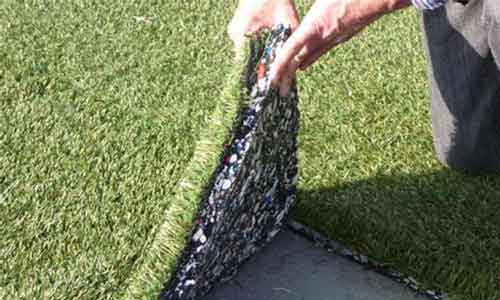
Rubber granulate and rubber powder produced from end-of-life tires can be used in applications including molded rubber products, construction materials, infrastructure and selected road applications.
Expanding these markets is important for maintaining demand for recycled tire material and supporting investment in domestic processing capacity.
Missing tires represent lost secondary raw materials
wdk frames unexplained tire flows as more than a waste management issue. End-of-life tires contain rubber, steel and other recoverable materials that can substitute part of the demand for virgin raw materials.
When tires leave the documented recycling system, these resources may no longer be available to domestic processors, reducing circular material supply and potentially weakening the economics of recycling operations.
Feedstock security becomes increasingly important
As new tire recycling and pyrolysis projects are developed across Europe, competition for end-of-life tire feedstock is increasing. Consistent access to material is therefore becoming an important factor in project planning and investment decisions.
wdk argues that improved tracking would provide greater transparency on actual tire availability and help create more reliable conditions for Germany’s recycling industry.
Association calls for stronger political support
wdk says systematic tracking would be relatively straightforward to implement but requires stronger political commitment to support the domestic recycling system.
The association believes that better data, traceability and control of tire flows could increase the proportion of end-of-life tires directed toward material recovery while reducing unexplained losses from the national system.
Germany seeks to retain more tires within circular economy
The latest figures show simultaneous progress and continuing structural challenges in Germany’s end-of-life tire market. Material recycling has expanded significantly, but tens of thousands of tonnes remain outside clearly documented recovery routes.
For wdk, closing this gap is essential to improving resource efficiency, securing secondary raw materials and strengthening the long-term resilience of Germany’s tire recycling and circular economy sectors.
Original announcement by wdk – Wirtschaftsverband der deutschen Kautschukindustrie.
Weibold is an international consulting company specializing exclusively in end-of-life tire recycling and pyrolysis. Since 1999, we have helped companies grow and build profitable businesses.