India pushes circular economy for end-of-life tires under NITI Aayog roadmap

A recent report by NITI Aayog, Enhancing Circular Economy of Waste Tyres in India, outlines how India can transform its growing end-of-life tire (ELT) challenge into a strategic opportunity for circular economy development, resource security, and emissions reduction.
Scale of the end-of-life tire challenge
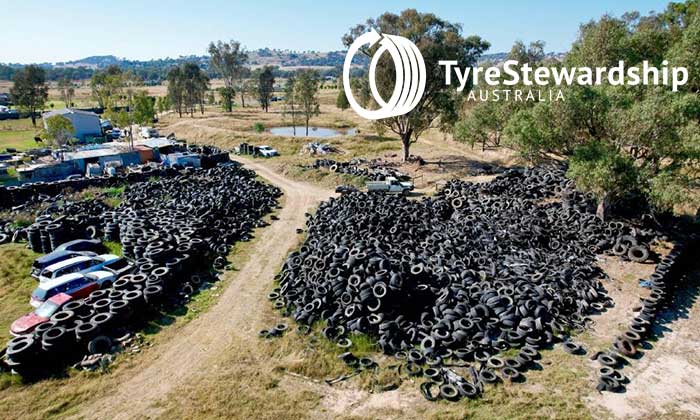
India is currently the world’s third-largest producer and consumer of tires, generating an estimated 1.5–2 million metric tons of waste tires every year. A significant share of this material is still handled by informal operators, often through environmentally harmful practices such as open burning or poorly controlled pyrolysis. These methods pose risks to human health, the environment, and material recovery efficiency.
To address this, India introduced Extended Producer Responsibility (EPR) Regulations for Waste Tires in 2022. The framework places legal responsibility on tire producers and importers to ensure proper recycling of ELTs through a centralized digital credit system, with the goal of formalizing the sector and improving traceability.
Pathways for circular tire recycling
The NITI Aayog report highlights several value streams that are critical to advancing a circular economy for waste tires:
Material recycling Waste tires are processed into crumb rubber and Crumb Rubber Modifier (CRM), which are increasingly used in bitumen for road construction. CRM-enhanced asphalt improves durability, flexibility, and heat resistance—key advantages for India’s climate conditions. Additional applications include reclaimed rubber for new tire manufacturing, sports surfaces, and industrial flooring.
Energy recovery High-quality Tire Derived Fuel (TDF) is used as a substitute for coal in cement kilns. This co-processing route enables energy recovery while reducing fossil fuel consumption and lowering the carbon intensity of heavy industry.
Advanced thermochemical conversion Modern pyrolysis technologies convert waste tires into pyrolysis oil, recovered carbon black (rCB), and steel wire. When operated to appropriate standards, these systems can deliver industrial-grade secondary raw materials that displace virgin fossil-based inputs in chemicals, fuels, and rubber products.
Structural and regulatory barriers
Despite progress, the report identifies several obstacles limiting large-scale tire circularity in India:
- Fragmented collection systems, which allow waste tires to leak into the informal economy
- Lack of standardized quality specifications for recycled outputs such as pyrolysis oil and rCB, restricting downstream market acceptance
- Unbalanced economics, where virgin raw materials often remain cheaper than recycled alternatives, highlighting the need for green procurement policies and fiscal incentives
How EPR works for end-of-life tires in India
Under the EPR framework, tire producers and importers must meet annual recycling targets by purchasing EPR credits from registered recyclers via a Central Pollution Control Board (CPCB) digital portal. This system is designed to incentivize formal recycling, improve compliance, and reduce environmentally unsafe practices.
Strategic role for India
The formalization of waste tire recycling supports several national and international policy goals:
- Resource autonomy: Domestic recycling reduces reliance on imported natural rubber and petroleum-based feedstocks
- Industrial decarbonization: Expanded use of TDF and recycled materials helps energy-intensive sectors cut emissions
- Sustainable infrastructure: Integrating crumb rubber into national highway projects aligns with government objectives for longer-lasting, climate-resilient roads
- Global commitments: The initiative supports India’s role within the G20 Resource Efficiency and Circular Economy Coalition (RECEC)
Overall, the NITI Aayog roadmap positions waste tire recycling as a strategic lever for India’s circular economy—linking environmental protection, industrial competitiveness, and long-term sustainability.
Article by NITI Aayog.
Weibold is an international consulting company specializing exclusively in end-of-life tire recycling and pyrolysis. Since 1999, we have helped companies grow and build profitable businesses.