Nuevo León removes more than two tonnes of end-of-life tires from Santa Catarina River in Mexico

Authorities in the Mexican state of Nuevo León have removed more than 150 waste tires, equivalent to more than two tonnes of material, from the Santa Catarina River as part of the continuing environmental remediation of Las Sabinitas in the municipality of Guadalupe. The latest cleanup forms part of a broader rehabilitation program that has already removed more than 10,000 tonnes of waste from an area that officials say was used as an illegal dumping site for decades. The tire removal was coordinated by the Nuevo León Secretariat of Environment together with SUPERA, the Metropolitan Environmental Fund, ADN Energía and the municipality of Guadalupe. Authorities said accumulated tires in the river channel can obstruct water flow, create pollution hotspots and provide breeding grounds for harmful fauna, while their removal reduces flood and sanitary risks and supports ecological recovery of the river. The project illustrates the scale of the waste management challenge posed by illegally discarded tires and the importance of ensuring that recovered material is transferred into appropriate disposal and recycling channels.
More than 150 waste tires removed from river
The Nuevo León Secretariat of Environment reported that the latest cleanup operation removed more than 150 tires from the Santa Catarina River in the Las Sabinitas area.
The tires weighed more than two tonnes in total and were collected for appropriate management as part of the ongoing environmental remediation program.
Las Sabinitas cleanup exceeds 10,000 tonnes of waste
The latest tire removal follows a much larger cleanup effort that has already extracted more than 10,000 tonnes of waste from Las Sabinitas.
Earlier stages of the project removed construction debris, household waste, furniture and other accumulated materials from the river channel and surrounding area.
Site was used as illegal dump for decades
Nuevo León Environment Secretary Raúl Lozano Caballero said Las Sabinitas had functioned as an illegal dumping area for decades.
The government is continuing remediation with the objective of restoring the area to safer and more environmentally appropriate conditions and preventing the river channel from again becoming a waste disposal site.
Multiple organizations involved in tire cleanup
The latest operation was coordinated between the Secretariat of Environment, SUPERA, the Metropolitan Environmental Fund, ADN Energía and the municipality of Guadalupe.
Authorities highlighted cooperation between government, private-sector organizations and other participants as an important part of addressing the long-standing accumulation of waste in the area.
Waste tires can obstruct natural water flow
Discarded tires can create additional problems when they accumulate in rivers and drainage systems because their size and shape can obstruct or alter the natural movement of water.
Nuevo León authorities said removing tires from the Santa Catarina River helps reduce potential blockages and contributes to lower flood risks during periods of heavy rainfall.
Authorities cite sanitary and pollution risks
The Secretariat of Environment also identified sanitary risks associated with accumulated tires. Tires can retain water and organic material, creating conditions suitable for insects and other harmful fauna.
Illegal tire dumping can also contribute to localized pollution and degrade river ecosystems when material remains exposed in the environment for extended periods.
Remediation targets ecological recovery of Santa Catarina River
The Las Sabinitas project is intended to go beyond removal of visible waste by supporting broader ecological recovery of the Santa Catarina River.
Authorities say continued cleanup should improve environmental conditions while creating a safer and more usable area for nearby communities.
Nuevo León has expanded waste tire collection efforts
The state has been carrying out additional waste tire recovery programs in recent years. Nuevo León reported removing more than 167 tonnes of tires during 2025 as part of wider waste management and environmental cleanup initiatives.
Separate volunteer campaigns along the Santa Catarina River have also removed thousands of tires from different sections of the waterway.
State operates tire processing infrastructure
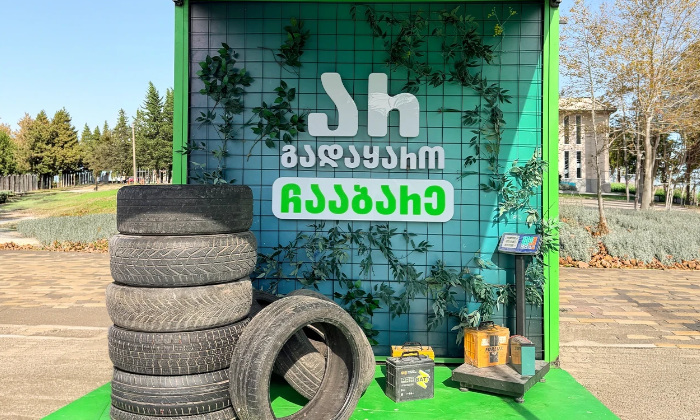
Nuevo León has also invested in tire processing capacity. A tire recycling facility in Salinas Victoria began operations in 2024 using mobile shredding equipment capable of separating rubber and metal from recovered tires.
The development of processing infrastructure is important because cleanup programs require downstream outlets capable of managing the material after tires are removed from illegal dumps, waterways and other contaminated sites.
Illegal tire dumping remains waste management challenge
The Las Sabinitas operation highlights the continuing challenge posed by illegally discarded tires in urban and natural environments. Removing tires after dumping can require substantial labor and public resources while also creating additional transport and treatment requirements.
Establishing reliable collection and tire recycling systems can reduce the likelihood that end-of-life tires accumulate in uncontrolled locations and can preserve rubber and steel as secondary resources.
Cleanup work will continue at Las Sabinitas
The Nuevo León Secretariat of Environment said remediation work at Las Sabinitas will continue as part of the state’s effort to restore the Santa Catarina River and improve environmental conditions for surrounding communities.
The more than two tonnes of tires removed in the latest operation represent a small part of the overall waste recovered from the site, but their extraction addresses a particularly persistent waste stream that can create long-term environmental and sanitary problems when left unmanaged.
Original announcement by the Government of Nuevo León.
Weibold is an international consulting company specializing exclusively in end-of-life tire recycling and pyrolysis. Since 1999, we have helped companies grow and build profitable businesses.