
Pirelli Canada CEO highlights green innovation, connected mobility and tire circularity

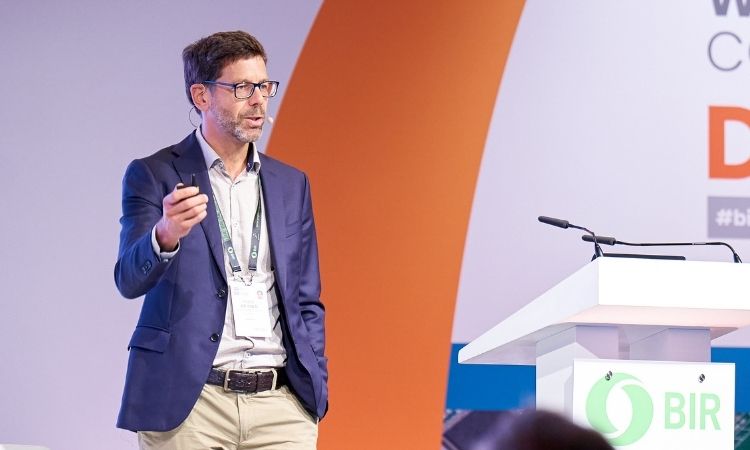
Pirelli Canada CEO Ernest Bedia has outlined how the tire industry is being reshaped by advanced engineering, digital connectivity, electrification and sustainability, in a member spotlight published by the Tire and Rubber Association of Canada. The interview presents Pirelli’s strategy as one focused on premium tire performance, motorsport-driven innovation, close collaboration with automotive manufacturers and the integration of new technologies such as Cyber Tyre. Bedia also highlighted the company’s work on circular economy initiatives, including the recovery and reuse of carbon black from end-of-life tires through cooperation with Bolder Industries. The discussion reflects broader changes across the tire value chain, where tire recycling, recovered carbon black, sustainable raw materials and connected mobility are becoming increasingly important to manufacturers, consumers and industry associations.
Motorsport experience supports road tire development
Bedia said Pirelli’s role as the exclusive tire partner of the FIA Formula One World Championship since 2011 gives the company an opportunity to develop and test technologies in one of the world’s most demanding performance environments. According to Bedia, knowledge gained through motorsport helps accelerate innovation and contributes directly to the development of road tire products.
He also noted that Pirelli’s innovation model depends heavily on close cooperation with automotive manufacturers. A significant part of the company’s product development involves customized tire solutions designed for specific vehicle platforms, with these collaborations often beginning years before a vehicle reaches the market.
Pirelli focuses on premium and winter tire markets in Canada
The interview highlights Pirelli’s premium positioning and its high-performance background. In Canada, the company offers a portfolio that includes winter tires engineered for harsh climatic conditions. Bedia’s experience at Pirelli includes 12 years with the company and a role as Vice President of Pirelli Motorsport, North America.
Cyber Tyre brings data into the tire ecosystem
Bedia described electrification, digitalization and sustainability as major forces changing the vehicle ecosystem. Pirelli’s Cyber Tyre technology is presented as part of that transformation. The system uses sensors embedded in the tire to collect and communicate real-time data, including tire condition, pressure, temperature, load and road interaction.
According to Bedia, Cyber Tyre shows how the tire is evolving from a passive component into an active source of data within the vehicle ecosystem. The technology reflects a wider shift toward connected mobility, where tires can support vehicle performance, safety and efficiency through real-time information.
Sustainability addressed across the value chain
Bedia said sustainability must be embedded across the entire tire value chain, including sourcing renewable materials, improving manufacturing efficiency and developing better solutions for end-of-life tires. He cited Pirelli’s collaboration with Bolder Industries at its factory in Rome, Georgia, as an example of this approach.
The partnership focuses on recovering and reusing carbon black from end-of-life tires. Bedia said advanced recycling processes can allow recovered carbon black to be reintroduced into the production cycle, reducing dependence on virgin raw materials and supporting circular economy principles.
Recovered carbon black supports tire recycling goals
Recovered carbon black is one of the key materials linked to higher-value tire recycling and tire pyrolysis. When quality, consistency and performance requirements are met, rCB can help tire manufacturers reduce the use of virgin carbon black and improve the circularity of tire production. Pirelli’s work with Bolder Industries reflects growing industry interest in turning end-of-life tires into recycled raw materials that can return to manufacturing.
Consumer education remains a challenge
Bedia said tire technology and performance are advancing rapidly, but consumers do not always understand the value of these developments. He said the industry has an opportunity to expand the tire purchasing discussion beyond price and historical sales by better explaining performance benefits, original equipment fitments and EV-specific tires.
He also pointed to media and third-party tire testing as useful ways to demonstrate tire performance advantages for different consumer needs. This is particularly relevant as electric vehicles, connected mobility and sustainability expectations change how tires are designed and evaluated.
Leadership built around shared vision
Before becoming CEO of Pirelli Canada, Bedia was responsible for Pirelli North America’s original equipment business. The role required coordination between R&D, operations and commercial teams as the company worked with traditional automakers and emerging EV startups.
Bedia described his leadership style as visionary and said he regularly communicates business strategy across the organization while inviting departments to contribute to shared goals. He also emphasized employee development, responsibility and helping staff understand how their work supports the company’s broader direction.
TRAC role highlighted for collaboration and advocacy
Bedia said associations such as the Tire and Rubber Association of Canada play an important role in strengthening the Canadian tire and rubber industry. He said many challenges facing the sector, including regulatory changes and long-term sustainability goals, are larger than any individual company.
According to Bedia, TRAC provides value by creating a platform for collaboration, knowledge sharing and advocacy. He said the association helps members stay informed about emerging issues, policy developments and market trends across the tire and rubber sector.
Tire industry described as transformative
For those entering the tire industry, Bedia advised adaptability, curiosity and continuous learning. He said the sector is more technologically advanced than many people realize and now sits at the intersection of mobility, engineering, sustainability, manufacturing and digital innovation. Asked to describe the modern tire industry in one word, Bedia chose “transformative.”
Article source: Tire and Rubber Association of Canada.
Weibold is an international consulting company specializing exclusively in end-of-life tire recycling and pyrolysis. Since 1999, we have helped companies grow and build profitable businesses.