
San Salvador de Jujuy collects more than 500 end-of-life tires in Neumatón campaign in Argentina

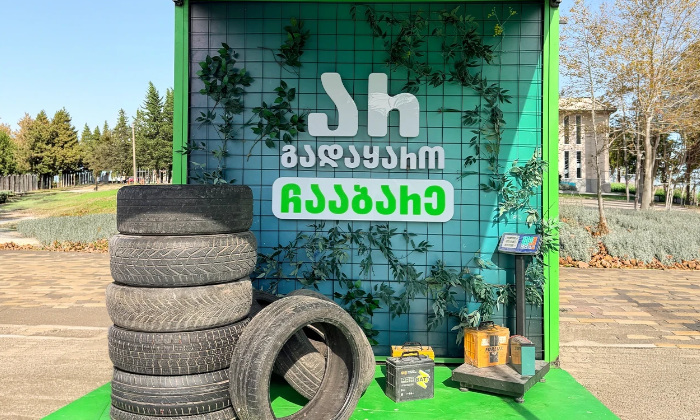
The Municipality of San Salvador de Jujuy in Argentina collected more than 500 end-of-life tires during a new Neumatón campaign in the Santa Rita neighborhood, combining tire recovery with recycling awareness and dengue prevention. The November 1, 2026 initiative involved residents and businesses from Santa Rita, Malvinas and surrounding areas and was organized jointly by the municipality, the Ministry of Health, neighborhood centers and local merchants. Tires collected during the campaign came from cars, pickup trucks, motorcycles and bicycles and will be transported to a cement plant for use as tire-derived fuel. Municipal officials said removing discarded tires also reduces potential standing-water reservoirs that can support mosquito breeding. The campaign additionally collected plastics, cardboard and aluminum for reuse or recycling and forms part of a wider local effort to improve waste collection and circular economy practices.
More than 500 waste tires collected
Municipal officials reported receiving more than 500 end-of-life tires during the latest Neumatón event.
The collected material included tires from passenger cars, pickup trucks, motorcycles and bicycles, reflecting participation from both households and local businesses.
Campaign targets Santa Rita and Malvinas neighborhoods
The initiative focused on the Santa Rita and Malvinas neighborhoods as well as surrounding areas of San Salvador de Jujuy.
Before the collection event, municipal teams carried out door-to-door outreach and awareness activities encouraging residents to bring recyclable materials to the campaign.
Tires will be sent to cement plant
Marcelo Molina, responsible for Circular Economy activities at the municipality, said the collected tires will be transported to a cement plant, where they will be used as fuel.
This recovery route diverts the tires from uncontrolled dumping and provides an outlet for material that might otherwise remain stored outdoors or enter the municipal waste stream.
Tire collection also supports dengue prevention
The municipality highlighted the public health importance of removing unused tires from homes, businesses and open spaces.
Because tire cavities can retain rainwater, improperly stored end-of-life tires can provide breeding sites for mosquitoes, including species associated with dengue transmission.
The campaign therefore combines waste tire management with preventative public health measures.
Community outreach preceded collection event
Molina said organizers spent several days promoting the campaign before the event, including direct visits to households and discussions about recycling.
The awareness activities covered not only tires but also other recoverable materials such as cardboard, plastic and aluminum.
Additional recyclable materials collected
Alongside the end-of-life tires, the municipality received significant quantities of plastics, cardboard and aluminum.
These materials are expected to enter reuse or recycling channels, supporting the broader waste diversion objectives of the combined Neumatón and Reciclatón initiative.
Some tires may find reuse applications
Municipal officials also reported interest from residents in recovering some tires for reuse in products such as planters and other items intended for sale.
Reuse can extend the useful life of selected tire material before it ultimately requires recycling or another end-of-life treatment route.
Campaign supports local circular economy activities
The event forms part of San Salvador de Jujuy’s circular economy initiatives aimed at separating recoverable materials from uncontrolled waste streams.
Collection campaigns can be particularly useful for end-of-life tires because individual households may otherwise have limited access to convenient disposal or recovery options.
Improved tire collection can reduce illegal dumping
Providing organized collection points can help prevent tires from being abandoned in vacant lots, waterways and other unauthorized locations.
Uncontrolled tire accumulation can create environmental, sanitary and fire risks, while organized collection allows material to be directed toward established recovery routes.
Tire-derived fuel remains destination for collected material
For the tires collected during this campaign, the municipality identified energy recovery in a cement plant as the planned treatment route.
Waste tires can be used as tire-derived fuel in cement production because of their high calorific value, while their steel and mineral content can also become incorporated into the cement manufacturing process depending on plant configuration.
Further Neumatón campaign planned
The municipality said another collection campaign is expected during November for residents who were unable to participate in the Santa Rita event.
Continued collection events could help recover additional end-of-life tires while reinforcing public awareness of responsible tire management, recycling and dengue prevention.
Original announcement by the Municipality of San Salvador de Jujuy.
Weibold is an international consulting company specializing exclusively in end-of-life tire recycling and pyrolysis. Since 1999, we have helped companies grow and build profitable businesses.