
Dunlop and Cabot to explore commercial use of recovered carbon black
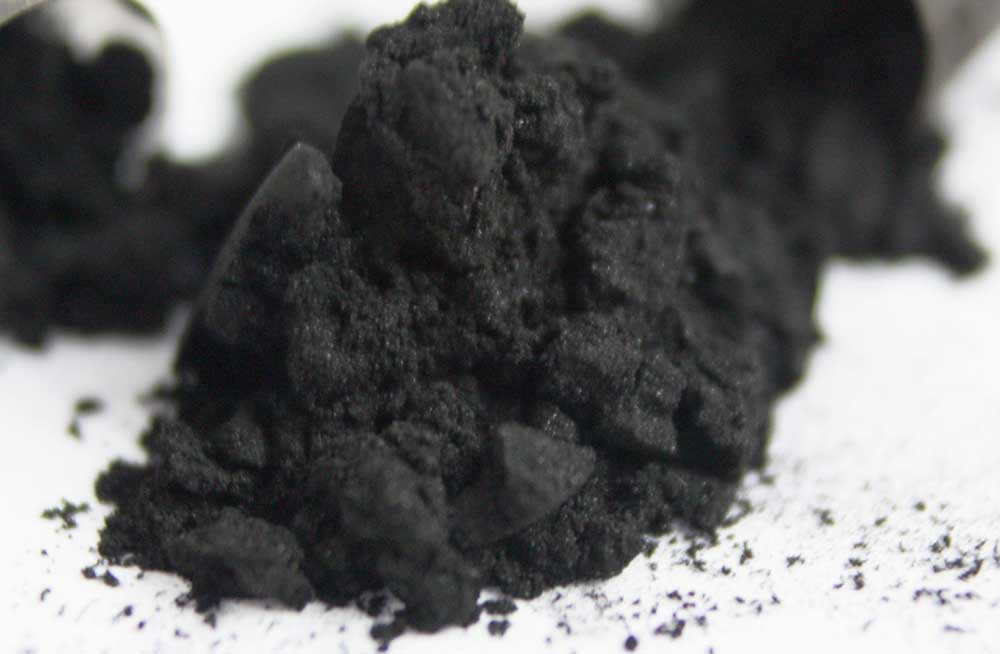
Cabot’s circular reinforcing carbon leveraging regenerated carbon technology is a new material that Sumitomo Rubber has not previously utilized in tire production. Recognized as a key enabler for reducing carbon emissions for both companies, this material will undergo evaluation for use in mass-produced tires by Sumitomo Rubber. Concurrently, Cabot will focus on scaling regenerated carbon technology to meet anticipated market demand.