

Tasmania EPA disrupts unlawful interstate end-of-life tire collection operation in Australia

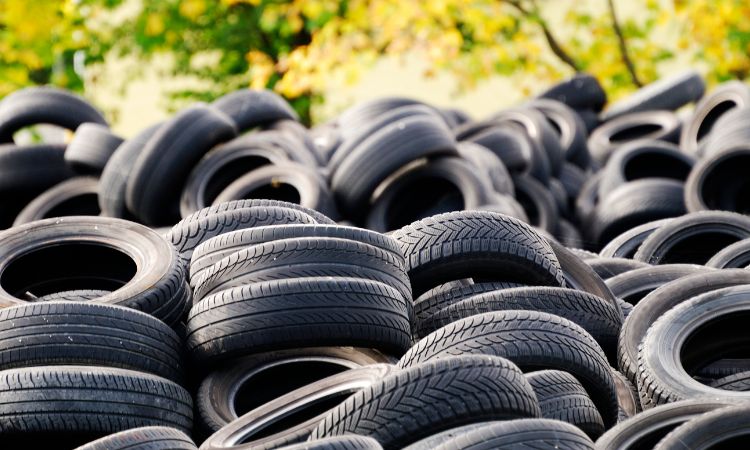
Tasmania’s Environment Protection Authority has disrupted an interstate waste tire operation after uncovering a network that unlawfully collected thousands of end-of-life tires from businesses across the state. The investigation identified at least 30 illegal tire collection events involving around 20 mechanical businesses and found that operators had generated an estimated A$50,000 in just 10 days. The inquiry began in mid-2025 after the EPA received intelligence that an unlicensed company was approaching tire dealerships and mechanical workshops while falsely claiming approval from both the EPA and Tyre Stewardship Australia. Investigators later found six shipping containers holding an estimated 4,000 to 5,000 waste tires in Bridgewater and Launceston. The case has led to enforcement action, warning notices and cooperation with interstate regulators, while highlighting the risks that rogue operators pose to legitimate tire recycling businesses, traceable waste management and responsible end-of-life tire recovery.
EPA identifies at least 30 unlawful tire collections
The EPA said its investigation identified at least 30 unlawful collection events involving approximately 20 Tasmanian mechanical businesses. The operators were estimated to have earned around A$50,000 over a period of just 10 days.
The scale of the activity prompted what the EPA described as its largest proactive industry-targeting exercise to date in response to organized environmental crime.
Investigation began after reports of false credentials
The investigation started in mid-2025 after the regulator received information that an unlicensed company was approaching tire dealerships and mechanical workshops while claiming to be approved by the EPA and Tyre Stewardship Australia.
Those representations allowed the operators to present themselves as legitimate waste tire collectors despite lacking the required authorization.
EPA visits around 50 tire and mechanical businesses
Investigators visited about 50 medium and large tire dealerships and mechanical workshops across Tasmania to review their waste collection arrangements, remind businesses of their legal obligations and gather intelligence on suspicious activity.
The outreach also helped authorities understand how the unlawful operators were approaching businesses and moving end-of-life tires through the state.
Network used rented vehicles and temporary storage
The EPA said the operation relied on rented vehicles, short-term shipping container leases and false credentials while posing as a legitimate registered controlled-waste transporter.
This type of temporary infrastructure can make unlawful waste operations harder to identify because vehicles, storage locations and business arrangements can change quickly.
Up to 5,000 tires found in six shipping containers
In June 2026, investigators located six shipping containers filled with waste tires. Four were found in Bridgewater and two in Launceston.
The EPA estimates that between 4,000 and 5,000 end-of-life tires had been collected and stored across the state.
Investigation leads to enforcement action
The investigation resulted in enforcement action against at least one local operator. The EPA also issued Warning Notices to tire retailers that it said should reasonably have identified and acted on suspicious collection activity.
The case reinforces the responsibility of tire retailers and mechanical workshops to verify that waste collectors are appropriately authorized before handing over end-of-life tires.
Potential waste regulation and fraud offences investigated
The EPA executed a bank warrant as part of the investigation to obtain financial information connected with the suspected offending.
Evidence collected by investigators included alleged breaches of Tasmania’s Environmental Management and Pollution Control (Waste Management) Regulations 2020 as well as potential fraud offences.
Interstate cooperation becomes part of investigation
EPA CEO and Director Catherine Murdoch said intelligence gathered through the Tasmanian investigation is now helping environmental regulators in other jurisdictions address related activity.
The interstate dimension is particularly important for waste tire enforcement because rogue collectors can move material across state borders and shift operations between jurisdictions.
Waste crime can undermine legitimate tire recycling
Unauthorized tire collection can distort the economics of legitimate tire recycling by allowing rogue operators to avoid the compliance, transport, processing and disposal costs faced by accredited businesses.
When end-of-life tires leave traceable collection systems, regulators can also lose visibility over whether the material is recycled, stored, dumped or transferred elsewhere.
Traceability remains central to responsible tire management
The Tasmanian case illustrates the importance of maintaining traceable chains between tire retailers, collectors, transporters and recyclers.
Verified collection and transport arrangements help ensure that end-of-life tires reach legitimate processing facilities and can be converted into recycled rubber, tire-derived materials or other authorized recovery products.
EPA urges businesses to report suspicious collectors
The EPA is encouraging businesses to contact the regulator if they are approached by suspicious waste tire collectors or have concerns about existing waste collection arrangements.
The agency said it will continue working with tire retailers, mechanical workshops, storage facilities and interstate environmental regulators to identify suspicious activity and prevent further waste crime.
Illegal dumping remains wider environmental risk
Although the EPA announcement focuses primarily on unlawful collection and storage, unmanaged waste tires can create broader environmental and public safety risks if they are eventually dumped or stockpiled without appropriate controls.
Large tire accumulations can create fire hazards, attract pests and impose significant cleanup costs, making early intervention in suspicious collection activity particularly important.
Tasmania investigation highlights need for due diligence
The case demonstrates that responsibility for preventing waste tire crime extends beyond regulators. Tire businesses also need to verify the credentials and legal status of collectors before transferring material.
For the tire recycling sector, stronger due diligence can help protect legitimate processors, preserve feedstock within authorized recovery systems and reduce the risk that end-of-life tires disappear into uncontrolled waste streams.
Original announcement by EPA Tasmania.
Weibold is an international consulting company specializing exclusively in end-of-life tire recycling and pyrolysis. Since 1999, we have helped companies grow and build profitable businesses.