AZuR founder coordinates tire recycling project in North Rhine-Westphalia

Five companies from the tire value chain in North Rhine-Westphalia have launched a joint project to develop a more circular system for end-of-life and used tires in the German region. The 24-month ReKuWi – Tire Recycling Economy NRW project is coordinated by CGW GmbH, the communication and consulting agency that founded and manages the Allianz Zukunft Reifen network. According to CGW, the initiative will combine certified tire take-back, automated tire detection, sorting and testing, retreading, reprofiling, used tire sales and recycling activities. The project is intended to reduce illegal disposal and export of scrap tires while making better use of tires that still contain usable mileage, raw materials and economic value. It also aims to strengthen regional jobs and improve acceptance of circular economy approaches in tire recycling and reuse.
Five companies join regional circular economy project
The participating companies are Gummi Berger Hans Berger GmbH, Reifen Gruppe Ruhr, Detection-X GmbH, Bear-Machines GmbH and Reifenhaus Caspar Wrede GmbH. Together, they bring experience in tire collection, distribution, automated inspection, tire-processing machinery, retreading and reprofiling.
The partners plan to combine their capabilities to create a certified take-back system for used and end-of-life tires. The project will also use modern technology for automated tire detection, sorting and testing, which could help improve decision-making on whether tires should be reused, retreaded, reprofiled or sent to recycling.
Project targets illegal disposal and export
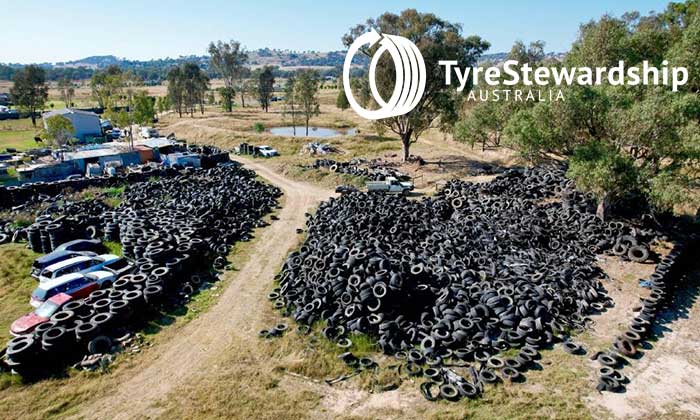
CGW said around one-fifth of scrap tires in North Rhine-Westphalia are estimated to end up in illegal disposal or export. The project partners argue that many of these tires still contain value, either through remaining mileage, recoverable raw materials or potential use in circular tire applications.
By organizing take-back, sorting and recovery within the region, ReKuWi aims to reduce leakage from the formal tire recycling system and support more transparent handling of end-of-life tires.
Retreading and reprofiling included in project scope
The initiative gives an important role to retreading and reprofiling, especially for commercial vehicle and truck tires. Professional retreading can extend the life of suitable tire casings, while reprofiling can help make additional use of tire tread under controlled technical conditions.
These pathways sit higher in the waste hierarchy than final recycling because they preserve more of the tire’s original value before material recovery becomes necessary. The project will also look at commercial distribution channels for used tires, reflecting the importance of matching reusable tires with suitable markets.
Manual sorting remains a challenge
CGW said sorting and quality assessment in the tire sector are still largely carried out manually. This can limit efficiency and consistency when deciding whether tires are suitable for reuse, retreading, reprofiling or recycling.
The involvement of automated inspection and tire-detection technology in the project could help standardize assessment and improve traceability. Better sorting can also increase the quality of tire recycling streams by directing suitable tires to the highest-value recovery option.
Information campaign to support acceptance
The project partners will launch a joint information campaign and employee training activities to increase acceptance of tire circularity within the industry. CGW said retreaded tires, professional retreading and used tires still face acceptance challenges among fleets and consumers.
Improving confidence in tested and certified used tires, retreaded tires and recycled rubber products is important for expanding circular economy markets. Without demand from fleets, consumers and downstream users, technical recycling capacity alone may not be enough to close material loops.
AZuR network linked to circular tire production
CGW GmbH founded and manages Allianz Zukunft Reifen, also known as AZuR, a German network focused on improving circular tire production in Europe. The ReKuWi project extends that circular economy approach into a regional tire recycling model for North Rhine-Westphalia.
Peter Luedorf, spokesman for the project, said the partners want to make the circular economy for tires in North Rhine-Westphalia economically attractive while securing sustainable jobs in the region. The project links tire collection, reuse, retreading, reprofiling, recycling and market development into a single regional approach to end-of-life tire management.
Article source: Auto News.
Weibold is an international consulting company specializing exclusively in end-of-life tire recycling and pyrolysis. Since 1999, we have helped companies grow and build profitable businesses.