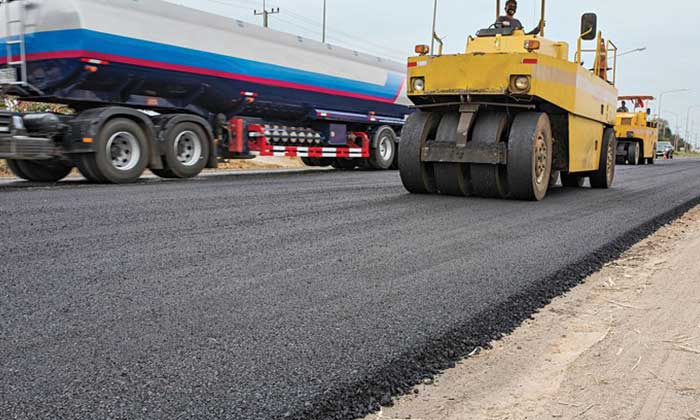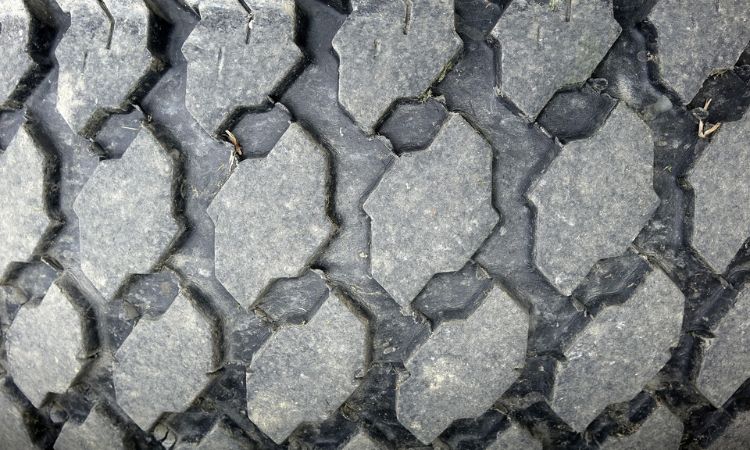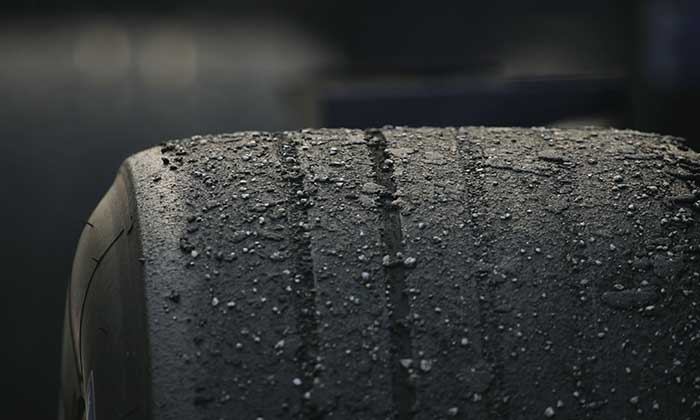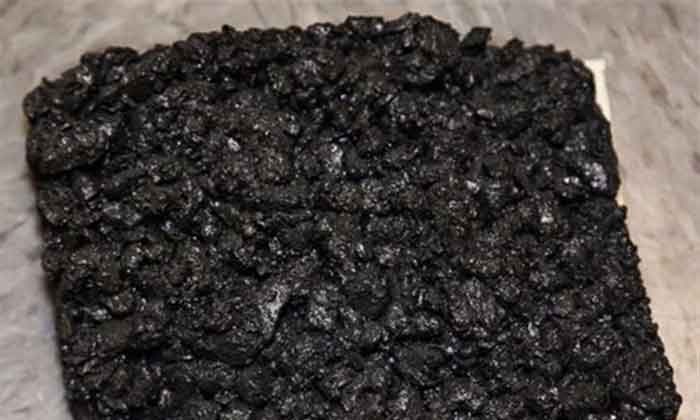


Michigan expands use of end-of-life tires to build longer-lasting roads
The facility is also expected to generate approximately 21,000 tonnes annually of tire-derived oil through the company's pyrolysis process.
for your query 'rubber-modified asphalt'
Weibold stores an archive of hundreds of articles dedicated to the industry of tire recycling and pyrolysis. Search for specific news, events, used equipment ads and consulting services related to end-of-life tire recycling and pyrolysis.
The facility is also expected to generate approximately 21,000 tonnes annually of tire-derived oil through the company's pyrolysis process.
The research program has previously tested asphalt mixtures incorporating recycled tires, glass, and fiber materials in Dickinson County as part of ongoing pavement development projects.
The U.S. Tire Manufacturers Association (USTMA), in partnership with The Ray – a nonprofit proving ground for sustainable transportation technologies – recently announced a research project to assess and compile existing research on the performance, environmental impacts and benefits of using ground tire rubber (GTR) in asphalt. The news was reported by an online magazine “The Published Reporter.” According to the source, the compiled research will result in a state of knowledge report that outlines existing research and identifies data gaps in the use of ground tire rubber in rubber modified asphalt.
TRA has announced that its Briefing Day 2026 will focus on the growing market potential of rubber modified bitumen and rubberized asphalt technologies. According to the TRA, this year’s event aims to revisit what it describes as an overlooked market opportunity for recycled tire materials within the UK road construction sector.
The Tire Recycling Foundation (TRF), in collaboration with the U.S. Tire Manufacturers Association (USTMA), invites you to the second webinar in our End-of-Life Tire Series: How Rubber-Modified Asphalt Delivers Cost-Savings and Longer Lasting Sustainable Roads and Pavements. Discover the path toward sustainable and high-performing roads with rubber-modified asphalt (RMA), a cutting-edge technology that transforms end-of-life tires into valuable infrastructure solutions. This webinar explores RMA’s current applications, performance data, and collaborative opportunities to accelerate adoption across the United States.
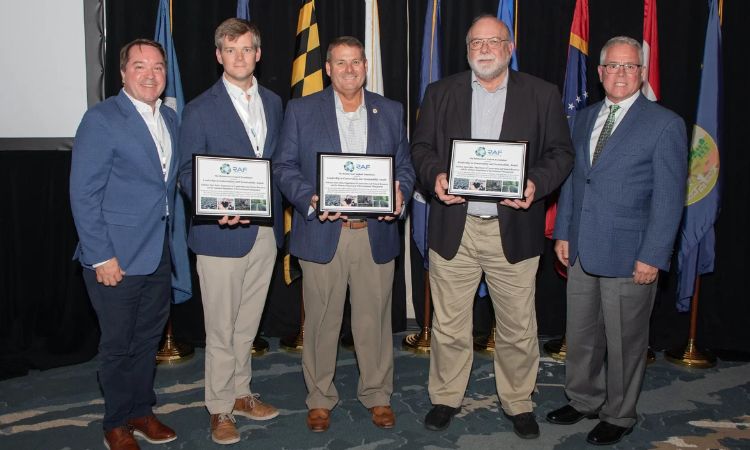
The Alabama Department of Environmental Management (ADEM), Alabama State Parks, and the Alabama Department of Conservation and Natural Resources (ADCNR) were awarded the Leadership in Conservation and Sustainability Award on Sept. 12, 2024, by the Rubberized Asphalt Foundation. The award recognizes their efforts to use recycled tires in paving projects at three state parks—Lake Guntersville, DeSoto, and Joe Wheeler—repurposing over 19,000 end-of-life tires.
The event is expected to include presentations from technical experts and market specialists on how recycled tire materials can be used in infrastructure projects while supporting circular economy and sustainability objectives. Planned topics include market opportunity analysis, regulatory updates and the impact of Digital Waste Tracking. The role of tire retailers and distributors within the circular economy value chain is also expected to be discussed. Participation is free for TRA members, media representatives, industry partners and regulators. Other attendees can participate for £70 plus VAT, including refreshments and a buffet lunch.
In Episode 81 of The Tyre Recycling Podcast, Dr. Barry Takkalou, CEO and Founder of CRM, speaks with Richard Wilson during The Round Trip: Tyre & Conveyor Belt Recycling Summit. With four decades of civil engineering experience, he outlines how CRM has worked to translate scientific research on rubberised asphalt into commercially viable applications for North American road networks.
The scrap tire crisis carries real environmental and community risk. As collection and recycling falls far behind, the danger for issues from fraud to fire have piled up as well. These processing shortfalls have also greatly impacted our hauling, collection and recycling businesses- raising concerns about the long-term sustainability and credibility of the province’s recycling framework.