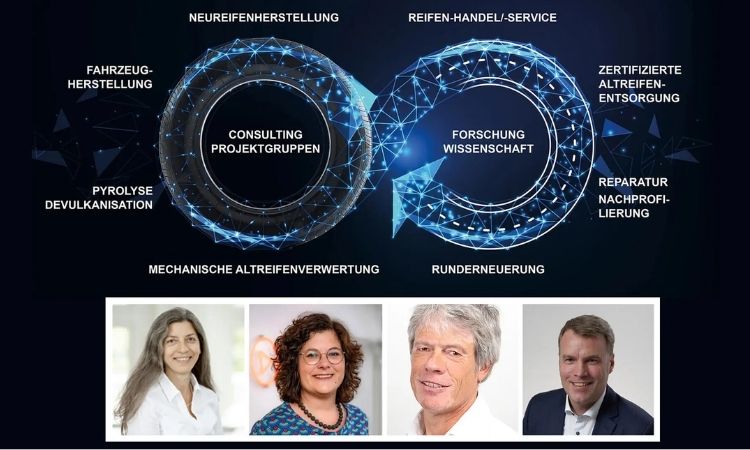


AZuR highlights retreading challenges and circular economy opportunities
The facility is also expected to generate approximately 21,000 tonnes annually of tire-derived oil through the company's pyrolysis process.
for your query 'retreading '
Weibold stores an archive of hundreds of articles dedicated to the industry of tire recycling and pyrolysis. Search for specific news, events, used equipment ads and consulting services related to end-of-life tire recycling and pyrolysis.
The facility is also expected to generate approximately 21,000 tonnes annually of tire-derived oil through the company's pyrolysis process.
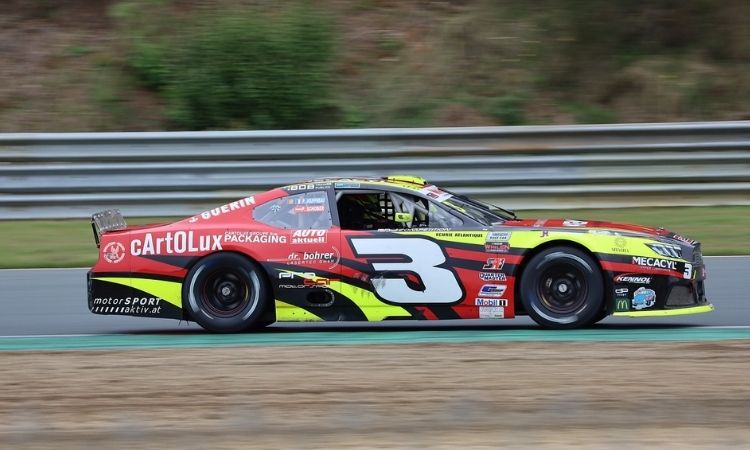
Goodyear, the exclusive tire supplier for NASCAR’s top racing series, manufactures more than 100,000 racing tires annually for the Cup Series, Xfinity Series, and Craftsman Truck Series alone. Because NASCAR tires are subjected to extreme speeds, heavy loads, and intense heat, their usable lifespan is relatively short. A single tire may only last around 100 miles under racing conditions, with some sets experiencing wear equivalent to tens of thousands of miles during a single race.
According to Aliapur, the French tire collection and recovery sector has developed an established operating model over the past two decades, collecting approximately 500,000 tonnes of end-of-life tires annually while exceeding targets for reuse and recycling.
Michelin North America, Inc. has introduced TreadVision by Michelin Retread Technologies, a new tire retreading system that combines artificial intelligence, robotics, and advanced data analytics to improve retread quality, operational consistency, and processing efficiency for commercial fleets.
Valorpneu has introduced Ecovalor fees for retreaded tires placed on the Portuguese market, following new legislation that changes how environmental charges are applied under the country’s waste management framework. The shift stems from Portaria n.º 150/2024/1, published in April 2024, which requires ecofees to be differentiated across waste systems and formally classifies retreaded tires as products newly placed on the market. As a result, they are now subject to Extended Producer Responsibility (EPR) fees.
The Alliance for the Future of Tires (AZuR) has officially launched the LOOP THE TIRE 2026 startup competition, calling on innovators across Europe to rethink tires, close material loops, and help shape a sustainable future for the tire and tire recycling industry. Applications are now open, with a deadline of May 15, 2026.
German Alliance for the Future of Tires (AZuR) reports thar each year, more than 500,000 metric tons of end-of-life tires are generated in Germany. Tires that can no longer be repaired, regrooved, or retreaded are ideally directed toward climate-friendly recovery pathways—preferably mechanical recycling, followed by chemical recycling where appropriate. A new film released by the Alliance for the Future of Tires (AZuR) clearly illustrates how tire pyrolysis plays a key role in avoiding waste, keeping valuable raw materials in circulation, and sustainably substituting fossil resources.
Continental Tyres has warned that a lack of awareness around used tyre disposal is leading to retread-suitable carcasses being wasted, while some fleet operators may also be missing out on potential financial rebates by failing to return used tyres to manufacturers. The company highlighted retreading as a key tool for managing the volume of waste tyres generated by UK fleets each year. In a Continental-commissioned survey of more than 700 UK-based fleets, 26.8 per cent of respondents said they did not know whether they had an agreed disposal method in place for used truck and bus tyres.
AZuR's Christina Guth calls for a rethink in tyre recycling End-of-life tyres were presented not as waste, but as valuable secondary raw materials in the latest edition of the video series “66 seconds for the future” by forum future economy. In the video, Christina Guth, coordinator of AZuR (Allianz Zukunft Reifen), outlined how a well-functioning tyre circular economy could play a meaningful role in resource conservation, CO₂ reduction and the advancement of a genuine circular economy.