Bolder receives additional funding for Antwerp tire pyrolysis facility
The facility is also expected to generate approximately 21,000 tonnes annually of tire-derived oil through the company's pyrolysis process.
for your query 'Bolder'
Weibold stores an archive of hundreds of articles dedicated to the industry of tire recycling and pyrolysis. Search for specific news, events, used equipment ads and consulting services related to end-of-life tire recycling and pyrolysis.
The facility is also expected to generate approximately 21,000 tonnes annually of tire-derived oil through the company's pyrolysis process.
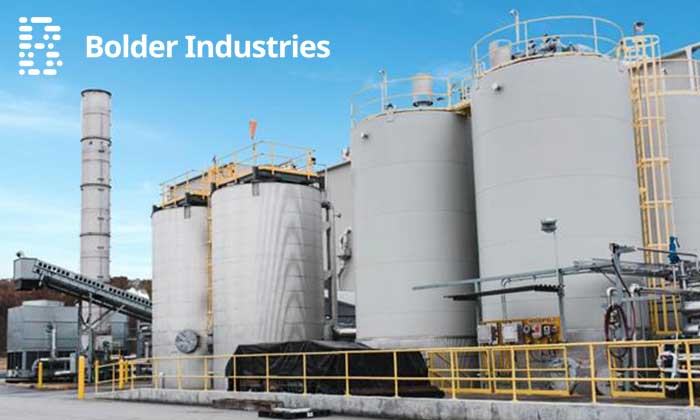
Bolder Industries – an American recover carbon black (rCB) producer – recently proudly to announced the ISO 9001:2015 certification for our Quality Management System at the company’s Maryville tire pyrolysis facility. The company says this is a significant but singular milestone on the journey to reinforce Boulder’s commitment to deliver consistent quality for its customers and safety for its employees. Circular solutions for the tire, rubber, and plastics industries are commercially available, and Bolder pinpoints its goal is to lead the way.
The EU has chosen Bolder Industries’ end-of-life tire (ELT) pyrolysis project as one of 85 initiatives to receive grants under its €4.8-billion net-zero fund, supporting the deployment of clean technologies across Europe. The project, known as NextGen thermal tire re-use, is part of the Port of Antwerp’s NextGen District and aligns with the EU’s goals to reduce emissions and advance industrial decarbonization.
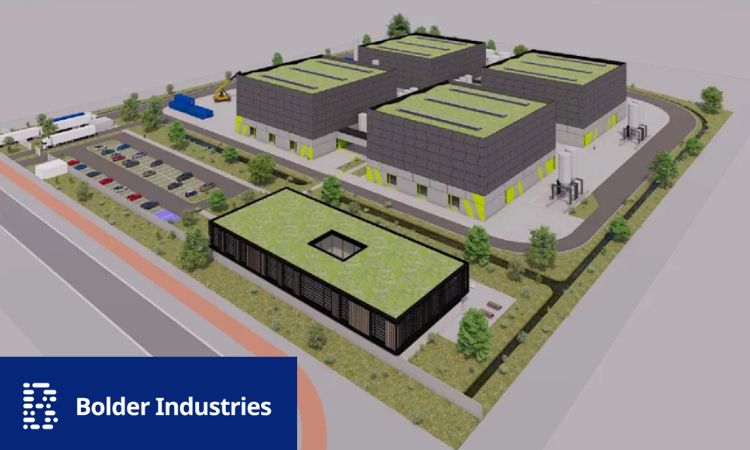
A subsidiary of Bolder Industries will recycle over four million end-of-life tires per year at a new facility planned for Antwerp, Belgium. Supported by a €32 million grant from the European Commission’s EU Innovation Fund and an additional €2 million from the Flanders region, the plant is slated to begin operations by 2027.
Liberty Tire Recycling says it is dedicated to finding new and better ways to reclaim, recycle and reuse end-of-life tires for eco-friendly products with innovative tools, technologies and processes. The company's efforts keep billions of pounds of material out of landfills, contribute to the well-being of our communities and the long-term health of our planet. To share its recent accomplishments as well as its long-term strategy for the development and implementation of sustainability initiatives and a commitment to transparency, Liberty Tires issued a report on its activities. Among other important things, Liberty pinpoint the growing role of tire pyrolysis and recovered carbon black (rCB) in its activities.
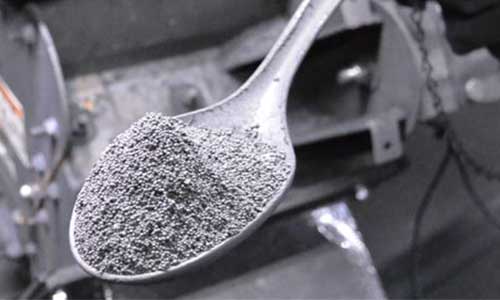
Bolder Industries increased investment in technical expertise, physical lab space, and its leadership team based on the success of its pilot programs. The Bolder Industries’ plant in Maryville, Missouri, fully commercialized the solution, accepting end-of-life tires at the gate and extracting steel, BolderBlack® (Bolder Industries' recovered carbon black brand), gas, and petrochemicals with a 98% recovery rate and a net-positive energy facility. The company reports that the net effect is a ~90% reduction of environmental impact across the board when considering greenhouse gas emissions, electricity, and water usage, and at a lower price. The company’s press release in May 2020 said Bolder Industries' patent-pending manufacturing process offered all of the petroleum-based products inside of a tire another life, revealing re-use savings.

Patagonia, a California-based outdoor apparel company, renowned for its commitment to eco-friendly practices, is taking wetsuit sustainability to a new level. In a pioneering move, the company is transforming old wetsuits into new ones, reducing waste and carbon footprint. By utilizing reclaimed carbon black, a key ingredient in neoprene, Patagonia aims to create a truly circular product. This innovative approach not only addresses environmental concerns but also sets a new standard for the industry.
The tire waste management scheme, RepakELT launched in Ireland two years ago demonstrated effectiveness as the country managed to recycle 97 percent of scrap tires during the first year of the project, the Irish Minister for Communications, Climate Action and the Environment, Richard Bruton T.D. said in a recent report. The official emphasized that the scheme is being further worked on as it received 15 recommendations for improvement; stakeholders are expected to consider them. Burton also stressed that it was important to make tire manufacturers take responsibility for the environmental impact of tires.
Pirelli North America kicked off the first closed loop circular recycling initiative within Pirelli as part of its broader strategy to increase the use of recycled and bio-based materials in its products. The project has been recognized with Tire Recycling Foundation’s Value Chain Collaboration Award.